Why Wooden Pagodas Rarely Fall in Earthquakes
Japan's tall timber pagodas have weathered centuries of seismic shocks. Engineers are still studying how.
Japan is one of the most seismically active countries in the world, and yet some of its tallest traditional buildings are slender wooden pagodas several storeys high. The five-storey pagoda at Hōryū-ji in Nara is counted among the oldest wooden buildings anywhere. How have such structures lasted so long?
Stacked, not fixed
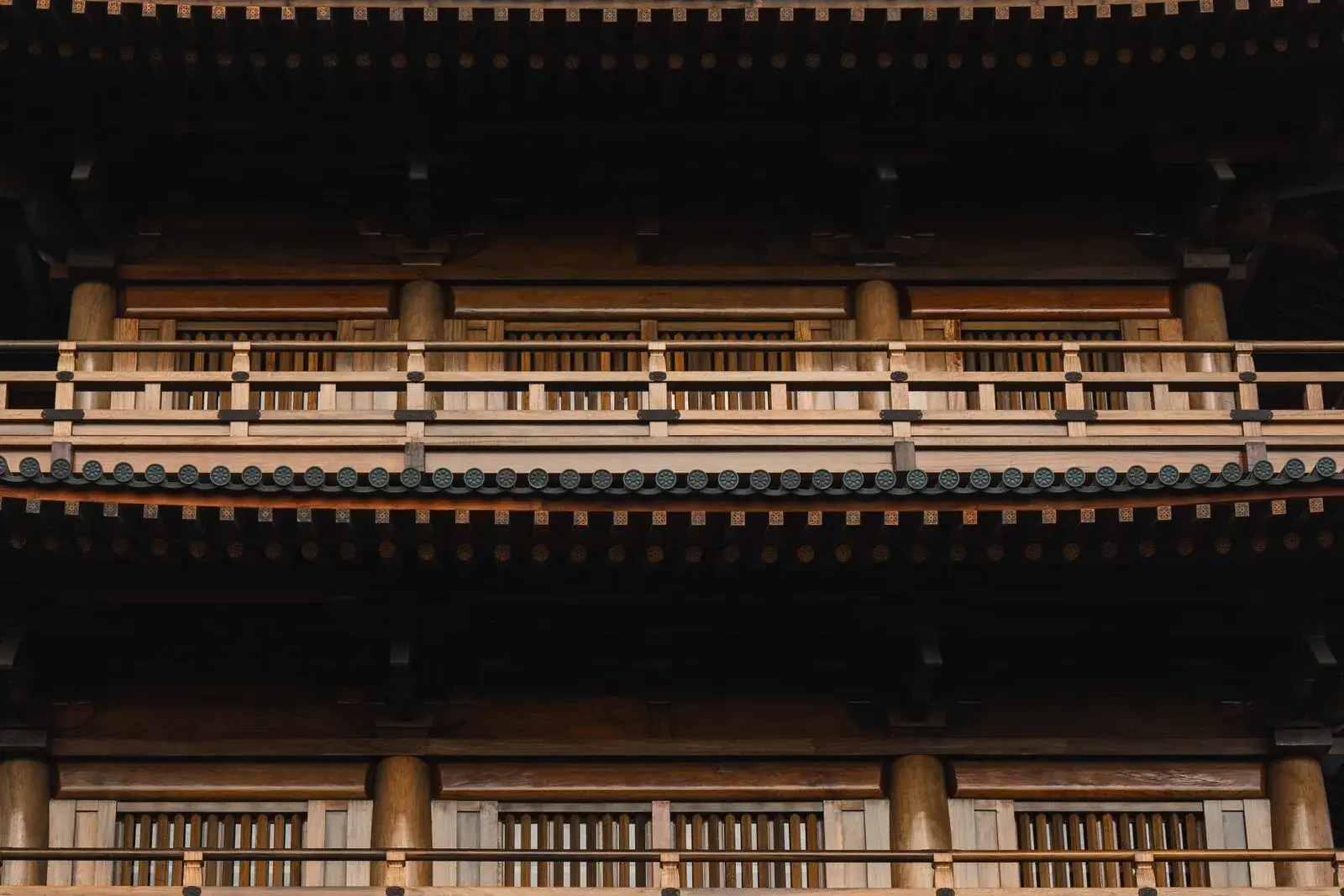
A Japanese pagoda is not a single rigid tower. Each storey is essentially a separate box resting on the one below, with deep projecting eaves. During an earthquake the levels can move slightly in alternating directions — a motion sometimes compared to a snake's dance — so that energy is spread and absorbed rather than transmitted straight up the structure.
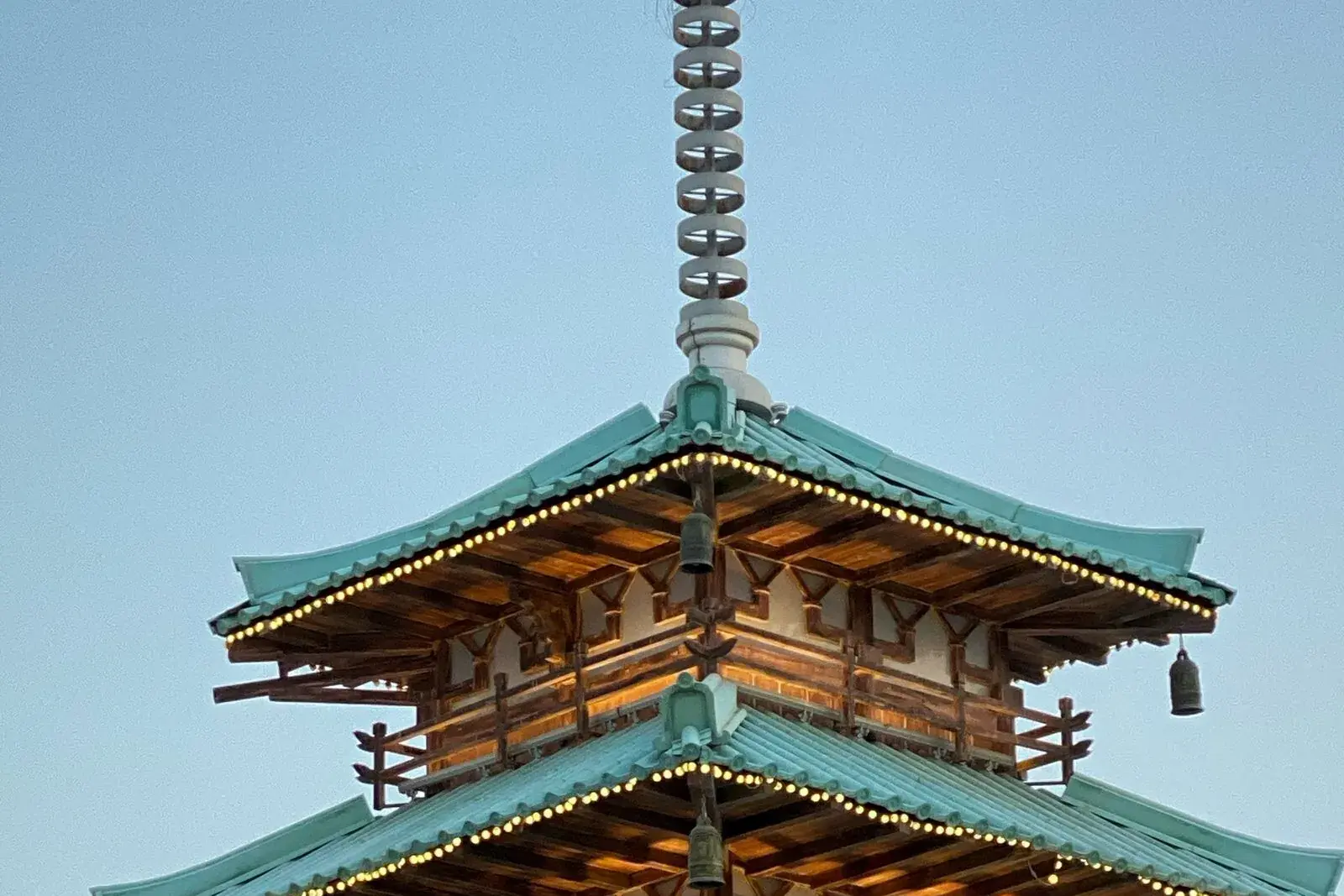
Running through the centre is the shinbashira, a tall central pillar. In many pagodas it is not rigidly fixed to the surrounding floors. Researchers believe it acts a little like a pendulum or damper, limiting how far the storeys can swing.
The pagoda survives not by resisting the earth, but by moving with it.
An idea that travelled forward
The principle has inspired contemporary engineers. The designers of Tokyo Skytree, completed in 2012, have described its central reinforced-concrete column — structurally separated from the surrounding steel frame — as drawing on the logic of the shinbashira.
Not every detail of pagoda behaviour is fully understood, and old timber buildings in Japan have also been lost to fire and typhoons. But the pagoda remains a beautiful reminder that flexibility can be a form of strength.