Shirakawa-go: Houses Shaped Like Hands in Prayer
In a snowy mountain valley, steep thatched farmhouses show how architecture, climate and community grow together.
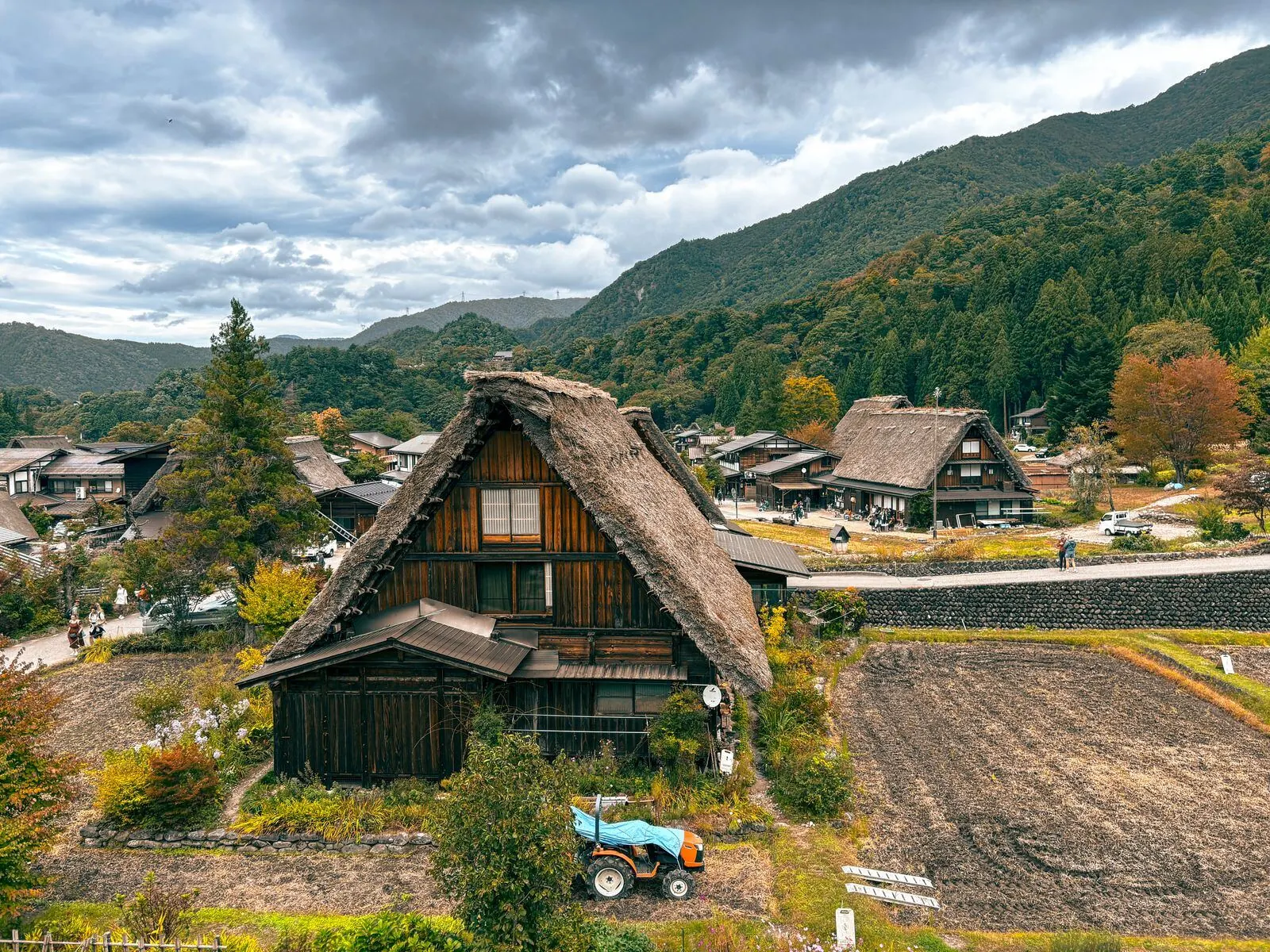
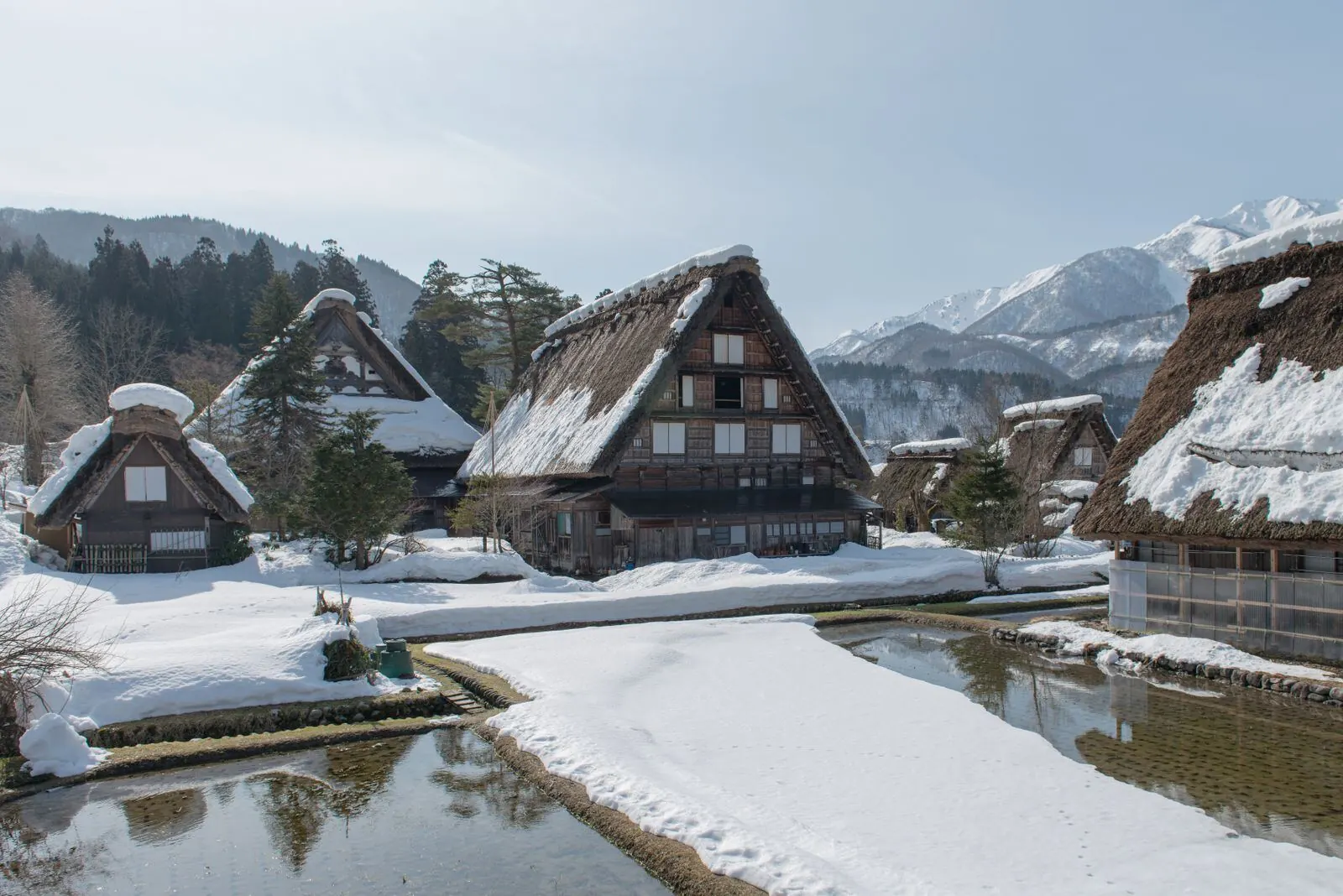
The farmhouses of Shirakawa-go have roofs so steep that they seem to be pressing their palms together. That image gave them their name: gassho-zukuri, "constructed like hands in prayer." Clustered among rice paddies in a mountain valley of Gifu Prefecture, they form one of Japan's most photographed landscapes.
Built for snow
The region receives heavy snowfall, and the sharp pitch of the roofs helps snow slide off rather than pile up. The thick thatch insulates the houses in winter and lets smoke from the hearth filter up through the structure, which helps to preserve the timber and the thatch itself.
Inside, the large attic spaces were traditionally used for sericulture — raising silkworms — an important source of income for valley families. The houses were homes, workshops and storehouses all at once.
A roof here was never just a roof. It was a calendar, a factory and a shared obligation.
Many hands
Re-thatching a gassho roof is a huge task, traditionally carried out by the whole community in a system of mutual help known as yui. Dozens of villagers would work together over a short period to strip and renew a roof, then repay the help on a neighbour's house later.
Today Shirakawa-go is a World Heritage Site and a busy destination. To feel its quieter side, stay overnight in a farmhouse inn, walk the lanes after the day-trippers leave, and remember that people still live in many of these houses.