Himeji Castle: Why the White Heron Still Stands
Japan's most celebrated castle survived civil wars, the end of the samurai era and wartime bombing. Its secret is a mix of clever defence, careful restoration and a little luck.
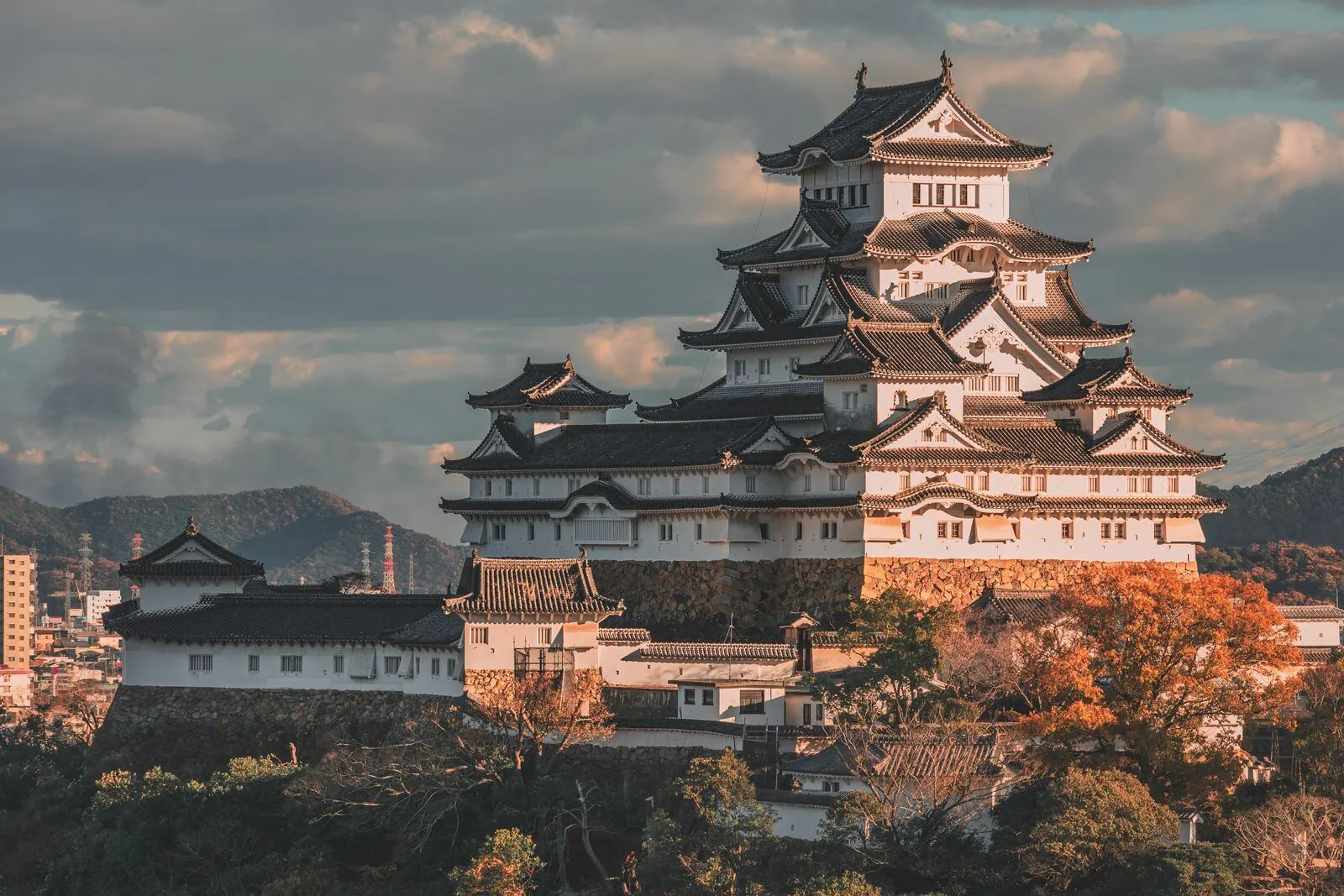
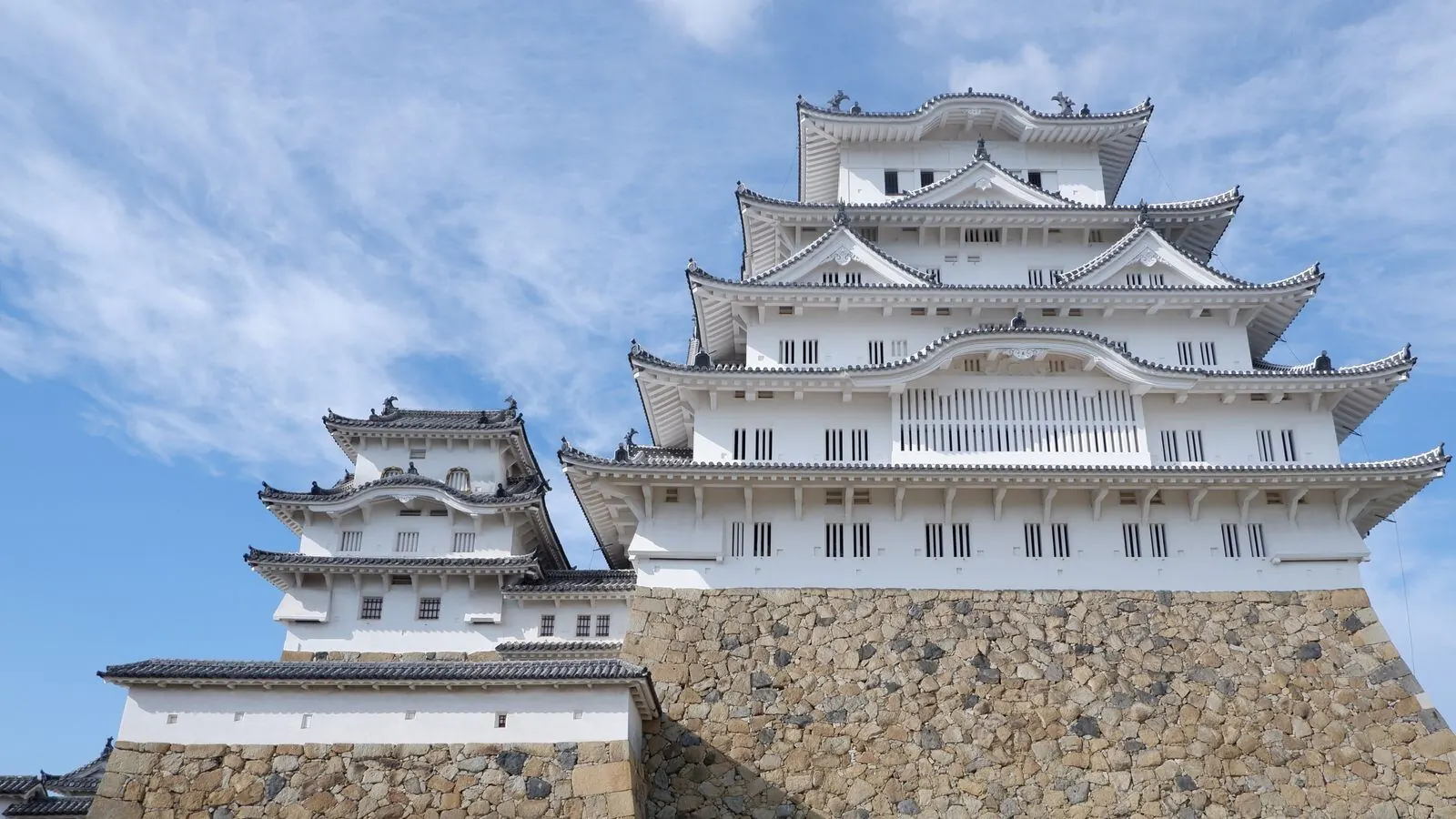
Seen from the station boulevard, Himeji Castle looks less like a fortress than a bird about to take flight. Its brilliant white plaster walls and layered roofs earned it the name Shirasagi-jō — White Heron Castle — and it is widely regarded as the finest surviving example of Japanese castle architecture.
The complex we see today took shape in the early seventeenth century, when the lord Ikeda Terumasa rebuilt and greatly expanded an earlier fortification. The main keep rises above a cluster of smaller keeps connected by corridors, all set on massive curved stone bases.
A maze by design
Himeji was built for a world of siege warfare. The approach to the main keep winds through gates, dead ends and narrowing paths that force visitors — once attackers — to turn back on themselves while exposed to walls pierced with gun and arrow ports. Even today, the route can feel deliberately confusing.
The beauty is real, but every curve was also a calculation.
The white plaster had a practical purpose too: it helped protect the timber frame from fire, a constant threat to wooden castles.
Survival and restoration
Many Japanese castles were dismantled after the Meiji Restoration or destroyed during the Second World War. Himeji escaped both fates. Large restoration campaigns have kept it standing, most recently the Heisei-era works completed in 2015, which re-plastered the walls and re-laid the roofs — leaving the castle so bright that some visitors at first thought it looked too new.
Come early, climb the steep wooden stairs of the main keep slowly, and look out from the top floor across a city that has grown up around a building designed to watch over it.