Naoshima: How a Small Island Became a Museum
In the Seto Inland Sea, a former industrial island turned art and architecture into a new way of life.
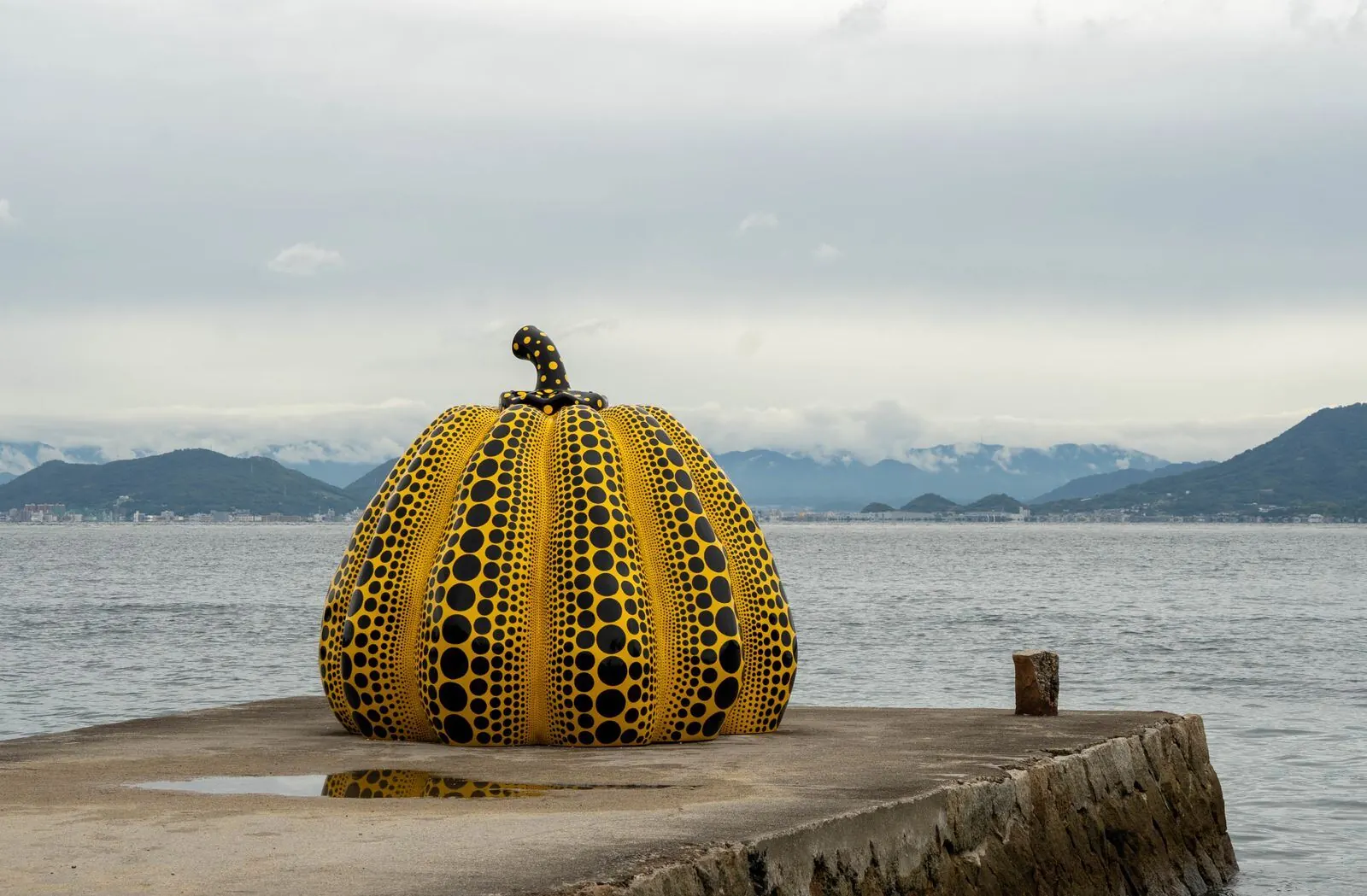
A yellow, black-spotted pumpkin sits at the end of a concrete pier, the sea glittering behind it. Yayoi Kusama's sculpture has become the symbol of Naoshima, a small island in the Seto Inland Sea that has turned itself into one of the world's most unusual destinations for art and architecture.
The transformation began in the late 1980s and 1990s, when the Benesse company and the Fukutake family started developing cultural facilities on the island. Tadao Ando designed Benesse House, a museum and hotel combined, and went on to create several more buildings on Naoshima over the following decades.
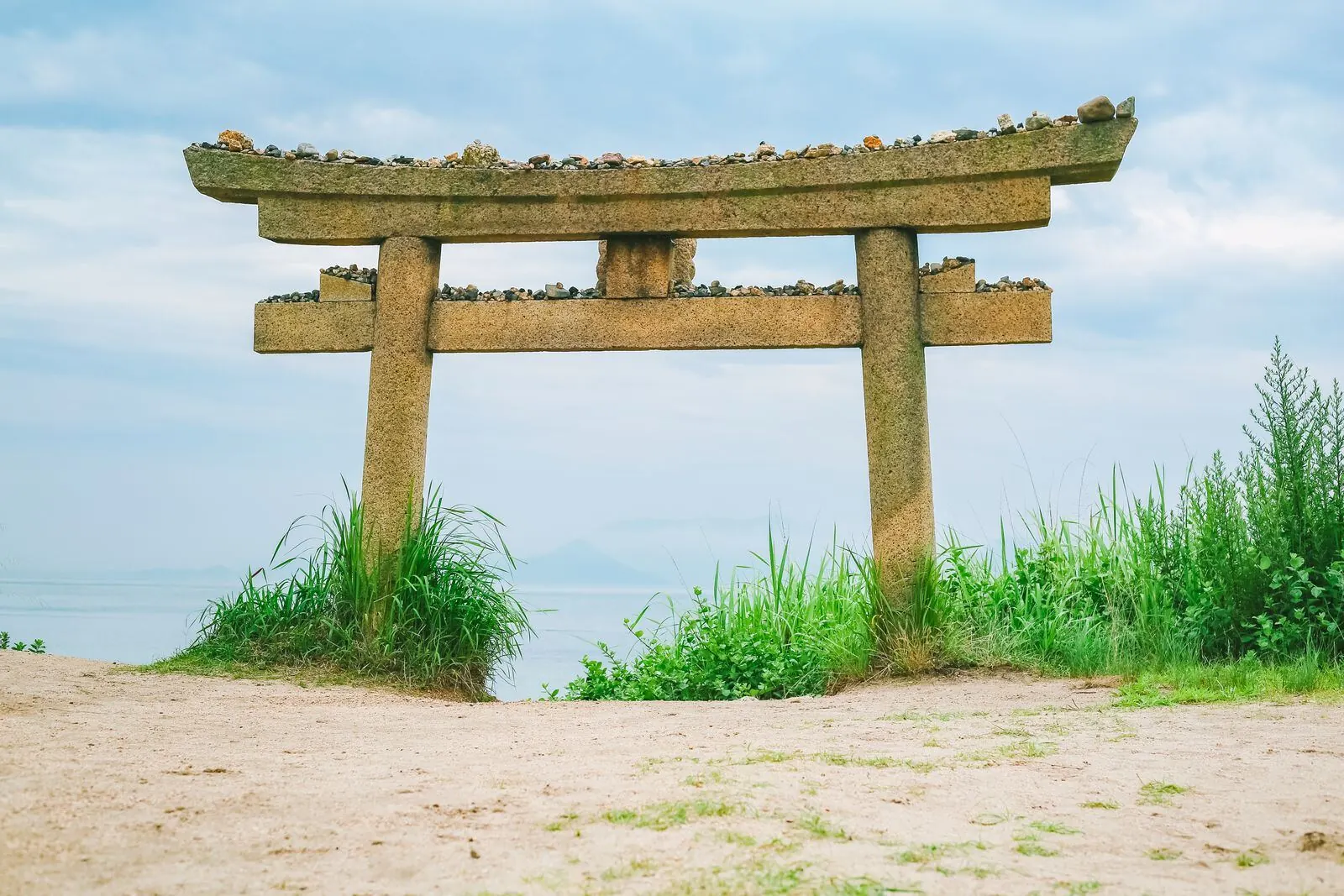
Art in the landscape
What makes Naoshima special is not any single building but the way architecture, art and landscape are woven together. Sculptures stand on beaches; galleries frame views of the sea; old houses in the village of Honmura have been converted into art installations as part of the Art House Project.
On Naoshima, the journey between buildings is part of the exhibition.
Kusama's pumpkin has had its own adventures: in 2021 it was swept off the pier by a typhoon, and after repairs it returned to its place the following year.
Planning a visit
Ferries connect the island to Uno and Takamatsu. Several museums require advance timed tickets, and many venues close on certain weekdays, so check schedules before you go. Rent a bicycle, slow down, and let the island set the pace.