Chichu: The Museum Buried in a Hill
Tadao Ando hid an entire art museum underground on Naoshima — and let the sky do the lighting.
"Chichu" means "in the earth," and that is exactly where Tadao Ando placed this museum. Completed in 2004, Chichu Art Museum is set almost entirely below ground on a hillside overlooking the sea. From outside, there is little to see except concrete openings in the grass.
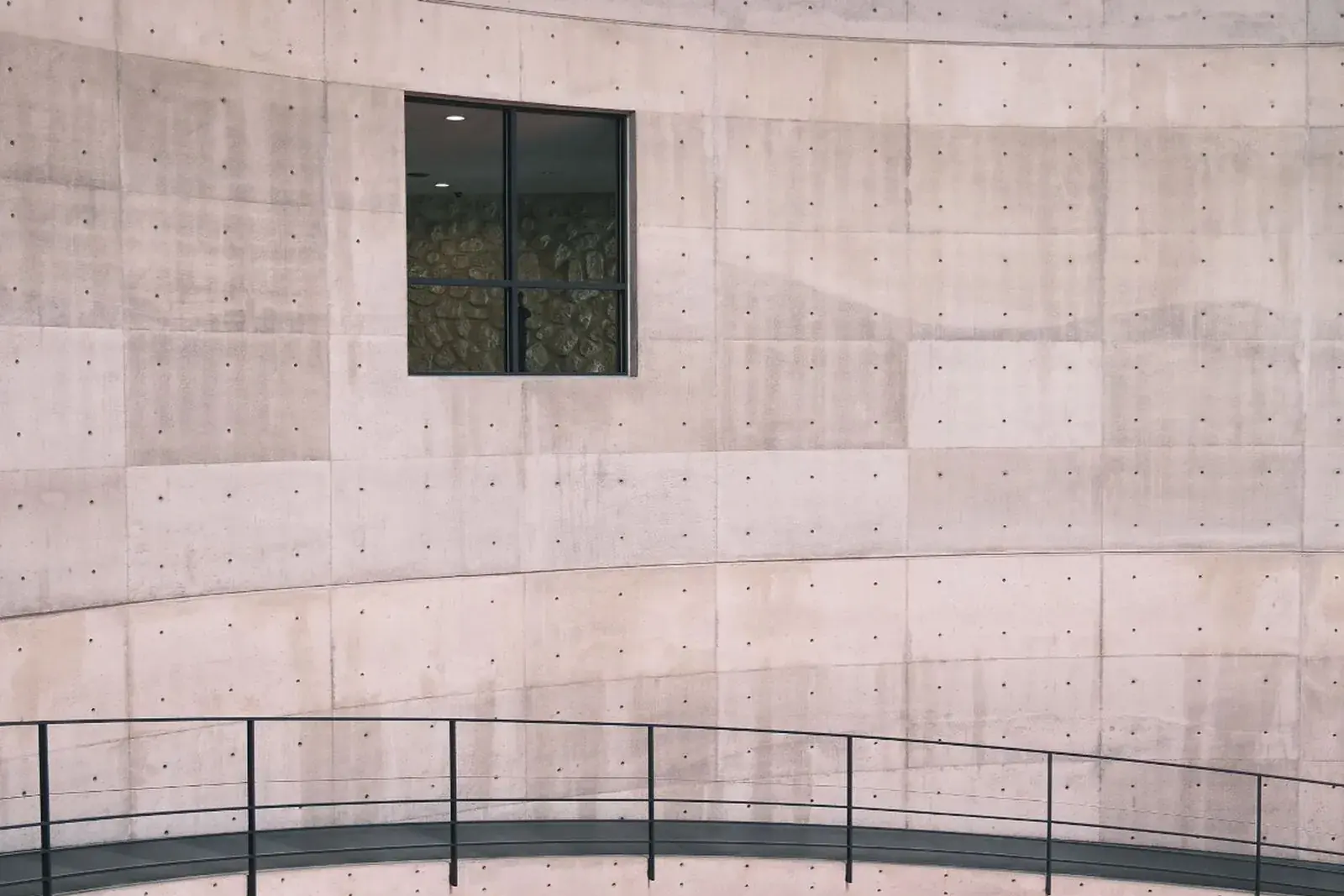
Inside, Ando used his familiar language of smooth exposed concrete, but the spaces are shaped above all by natural light. Openings to the sky illuminate the galleries, so that the experience of the art shifts with the time of day, the season and the weather.
Rooms made for specific works
The museum holds a small permanent collection: paintings from Claude Monet's late Water Lilies series and installations by James Turrell and Walter De Maria. Each work has a space designed specifically around it. In the Monet room, the paintings are lit only by daylight, and visitors remove their shoes before stepping onto a floor of small marble tiles.
Underground, Ando could control everything except the sky — and that was the point.
Why it matters
Chichu is an example of architecture that steps back to protect a landscape while creating intense, focused interiors. It is also a museum that asks for patience: timed tickets, quiet rooms, and an expectation that you will look slowly.